


When taking medication, people often face the problem of how long after antibiotics they can drink alcohol.It is difficult to say how long it takes for the drugs to be completely removed from the body - no doctor can definitively answer this question, because the effect of all antibiotics is different.Moreover, there are diseases when the patient is prescribed not only antibiotics, but also a special diet.Alcohol is prohibited in this case.
About drugs
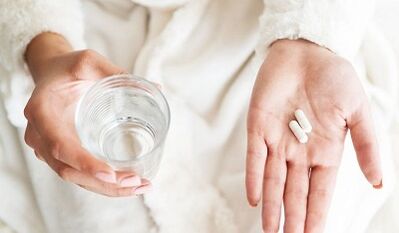
Antibiotics are waste products of microorganisms (mostly fungi and their synthetic derivatives).It is used to treat infections caused by bacteria.All of them are available in both capsules and tablets, so they are very convenient.
However, there are general rules for taking any antibiotic:
- Any medicine can be prescribed by a doctor only depending on the severity of the disease and the characteristics of the patient's body.
- Antibiotics are not used to treat viral diseases.
- The effect of any antibiotic is considered in the first three days - if the drug helps, it is not recommended to stop the treatment.If symptoms continue to progress, you should see your doctor again.
- If nausea or an unpleasant taste in the mouth occurs, the course of treatment does not stop.
- You cannot control the dose prescribed by the doctor yourself - very small doses of antibiotics are dangerous for the human body.
It is important!It should be remembered that self-treatment is always dangerous for the body.
The time it takes for an antibiotic to be removed from the body depends on many factors.Each of the drugs has its own characteristics, but most of them are excreted from the body in the form of bile through the kidneys through the urine or (if the dose is low) through the intestines.Very small doses can also be excreted in other ways: sweat, fat, salivary glands or sputum.
If you need to know the way of elimination of a certain drug, you need to read the instructions.For any antibiotic, this information is shown in the "Pharmacokinetics" paragraph.

Some drugs can be eliminated within 6-12 hours, but some remain in the body for 1-2 weeks.
In addition, it should be taken into account that muscle tissue removes the antibiotic the fastest, followed by fat tissue and only then bone tissue.
You should not drink alcohol for 3-5 days after a standard and most importantly successful course of antibiotics.
But there are exceptions in the form of chronic diseases when the course of treatment is carried out repeatedly.In this case, you should give up alcohol for 2-4 weeks.
Alcohol during treatment
If a person is prescribed a course of antibiotics, then it is strictly forbidden to drink any alcohol.Doctors note that treatment is more effective for people who do not drink alcohol during or after the illness.
- The most important reasons are the interaction between alcohol and antibiotic molecules.In this case, toxic substances can be released.
- Alcohol makes the antibiotic less effective or useless.
- Antibiotics with alcohol are hepatotoxic (affects the liver).If you use them at the same time, the burden on the liver increases.
When and how much you can drink alcohol after taking antibiotics, it is best to ask your doctor to avoid unpleasant consequences in the future.
In any case, there is a small group of antibiotics that can be taken with alcohol.These include:
- antifungal;
- penicillins;
- heliomycin;
- ansamycins;
- glycopeptides.
Extraction speed
A person feels the toxic effect of antibiotics for a long time after the course of treatment.
As already mentioned, most of it is excreted in the urine.Each drug is absorbed and deposited in the body over a different period of time.
If you have such an opportunity, it is better not to drink alcohol.
Immunity that is not strengthened after the disease is not always ready for the toxic effects of ethyl alcohol.
What affects it
The main factor affecting the rate of elimination of the drug is its chemical composition.However, the way the antibiotic is administered is also important.The parenteral route (bypassing the gastrointestinal tract) is more effective and faster (eliminates within 16-24 hours), but injections must be performed by a specialist.At home, the enteral route (from the gastrointestinal tract) is suitable - tablets and capsules can be taken independently at home.
The time it takes to clear the antibiotic from the body can depend on age - it happens more slowly in older people.Also, secretions can inhibit the functioning of the kidneys, liver or genitourinary system.Toxins are eliminated faster by drinking plenty of fluids or fermented milk products.
Consequences of co-management

Often people drink alcohol with antibiotics without thinking and claim that the instructions do not indicate how long you should not drink alcohol and whether there is a ban on taking it at all.But it should be remembered that pharmaceutical companies produce antibiotics for treatment, not for combination with alcohol, so they will not check for such reactions.
No doctor can predict the exact reaction in your body and how it will affect the course of the disease.Drinking alcohol while taking antibiotics can have serious consequences.Let's take a look at some of them:
- Liver dysfunction.In this case, the liver may not remove harmful products, but absorbs all toxins into its cells.
- Severe allergic reaction (Quincke's edema, anaphylactic shock).
- Intoxication of the body (nausea, vomiting, headache, cramps, abdominal pain) may occur.
- Heart problems may arise, stroke or myocardial infarction may develop.
- High or low blood pressure (blood pressure).
It must be remembered that when combining drugs with alcohol, ethanol does not break down.Hence the consequences: most of the harmful substances in alcoholic beverages will accumulate in human organs and tissues.
The most dangerous "cocktails"
Many antibiotics are not compatible with any alcoholic drink.For example:
- Fluoroquinolones, when mixed with alcohol, have a negative effect on the nervous system and can lead to coma.
- Tetracyclines linger in the body for a long time and are capable of destroying some liver cells, so drinking alcohol is possible after three days.
- Aminoglycosides can cause hearing and kidney complications (alcohol consumption is possible after 2 weeks).
- The nervous system and liver are damaged by Lincosamides (alcohol intake is possible after 4 days).
- Macrolides can cause cirrhosis of the liver (alcohol intake is possible after 4 days).
All anti-tuberculosis drugs cause hepatitis, in which case any alcohol is prohibited.
First belong
The first step is to call an ambulance.Determine how much time has passed since the moment of intoxication, and be sure to save the remains of the substances that caused the poisoning - this will help the doctor.
If the victim is conscious, he needs to drink a large amount of water, and then induce vomiting by irritating the back wall of the larynx.After the stomach is washed, you need to give the victim any sorbent (for example, activated carbon).
Place the patient in a comfortable horizontal position, observe breathing and pulse.Wait for the ambulance to arrive.
Bottom line
Antibiotics are very serious medical drugs.A person taking antibiotics must strictly follow the instructions that come with these medications.Not all antibiotics can be combined with alcoholic drinks;at best, the drug simply will not help, and at worst, it can cause death.